
ifzal786@gmail.com

حكم سداد ديون المحتاجين من الزكاة دون إذنهم

قال الله سبحانه وتعالى: {إنما الصدقات للفقراء والمساكين والعاملين عليها والمؤلفة قلوبهم وفي الرقاب والغارمين وفي سبيل الله وابن السبيل فريضة من الله والله عليم حكيم} [التوبة: 60] ذهب جمهور الفقهاء إلى وجوب تمليك الزكاة للأصناف الثمانية الذين هم مصارف الزكاة، ومنهم الغارم: الذي عليه دين، فلا بد من تسليم الزكاة له أو صرفها بإذنه […]

حكم سداد ديون المحتاجين من الزكاة دون إذنهم قراءة المزيد »

حكم استفتاء الذكاء الاصطناعي

Issuing fatāwā is a task of immense gravity, reserved for ʿulamāʾ who are the heirs of the Prophets. Those who give legal fatāwā are, in effect, signatories on behalf of Allah, Glorified and Exalted.  A fatwā depends upon many conditions that must be met by the muftī, and it may also vary according to the circumstances of the questioner and the surrounding context. Accordingly, it is not permissible to rely on AI to determine the ruling of Allah, Blessed and Exalted, without referring to trustworthy ʿulamāʾ.

حكم استفتاء الذكاء الاصطناعي قراءة المزيد »

حكم قول: «صدق الله العظيم» عند الانتهاء من تلاوة القرآن

It is permissible for the reciter of the Qurʾān to say, upon completing his recitation, “Ṣadaqa Allāh al-ʿAẓīm,” intending thereby to praise Allah, Most High, with that by which He has praised Himself, as He says: “Say: Allah has spoken the truth; so follow the religion of Ibrāhīm, a man of pure natural belief—he was not of the idolaters” [Qurʾān 3:95]. Praising Allah is permissible at all times and in every circumstance. Uttering this phrase following recitation does not constitute a bidʿa nor a contravention of the Sharīʿa; rather, it entails reverence for the Qurʾān and proper etiquette before Allah, the Exalted.

حكم قول: «صدق الله العظيم» عند الانتهاء من تلاوة القرآن قراءة المزيد »

حكم المسح على الجوارب

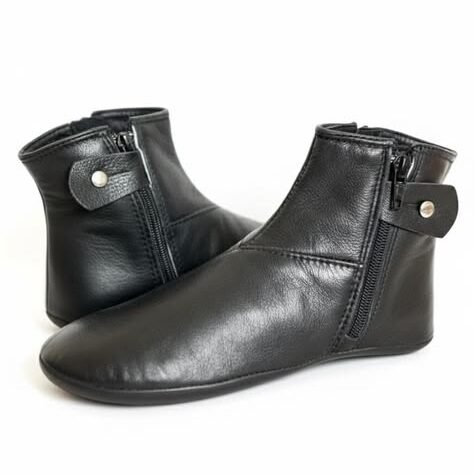
The socks commonly worn today are not valid for wiping over in ablution, because they do not fulfill the conditions required of leather socks [khuffayn] or of the type of socks that constituted the prevailing custom in the Prophetic era. Whoever wipes over such thin socks, therefore, does not have a valid wuḍūʾ, nor a valid prayer, nor a valid leading of prayer.

حكم المسح على الجوارب قراءة المزيد »

حكم وطء المرأة أثناء الحيض

أجمع المسلمون على تحريم وطء الحائض والنفساء، والذي يستحلُّه يكفر؛ للآية الكريمة والأحاديث الصحيحة. قال الله تبارك وتعالى: {ويسألونك عن المحيض قل هو أذى فاعتزلوا النساء في المحيض ولا تقربوهن حتى يطهرن فإذا تطهرن فأتوهن من حيث أمركم الله إن الله يحب التوابين ويحب المتطهرين } [البقرة: 222] وعن سيِّدنا أنس رضي الله عنه أن

حكم وطء المرأة أثناء الحيض قراءة المزيد »